


.jpg)
Master Effective Bamboo Removal Guide
- jkw336602
- Mar 26
- 3 min read

Bamboo can be a beautiful addition to a garden, but when it becomes invasive, it turns into a serious problem. Removing bamboo is not as simple as cutting it down. The roots spread aggressively underground, making it difficult to eradicate. I have learned that mastering effective bamboo removal techniques requires patience, the right tools, and a clear plan. This guide will walk you through practical steps to remove bamboo from your property completely.
Understanding the Effective Bamboo Removal Guide
Before starting any removal process, it is essential to understand how bamboo grows. Bamboo spreads through rhizomes, which are underground stems that send out roots and shoots. These rhizomes can travel far from the original plant, making bamboo removal challenging. Simply cutting the bamboo stalks will not stop the spread. You must target the roots to prevent regrowth.
The first step is to identify the type of bamboo you are dealing with. There are two main types: running bamboo and clumping bamboo. Running bamboo spreads quickly and aggressively, while clumping bamboo grows in tight clusters and is easier to control. Knowing the type will help you choose the best removal method.
To start, clear the area around the bamboo. Remove any debris or plants that might obstruct your work. Then, cut the bamboo stalks close to the ground using a saw or loppers. This will make it easier to access the roots.

Step-by-Step Effective Bamboo Removal Guide
Once the bamboo stalks are cut, the next step is to remove the rhizomes. This is the most critical part of the process. Here is a step-by-step guide:
Dig around the bamboo clump - Use a spade or shovel to dig a trench around the bamboo. The trench should be at least 18 inches deep to reach the rhizomes.
Expose the rhizomes - Carefully dig out the rhizomes from the soil. They look like thick, horizontal roots.
Cut the rhizomes - Use a sharp garden knife or pruning shears to cut the rhizomes into manageable pieces.
Remove all rhizome pieces - Collect all rhizome pieces and dispose of them properly. Leaving any piece behind can lead to regrowth.
Fill the trench - After removing the rhizomes, fill the trench with soil and compact it.
Repeat this process several times over the growing season to catch any new shoots. Persistence is key to successful bamboo removal.
What is the best root killer for bamboo?
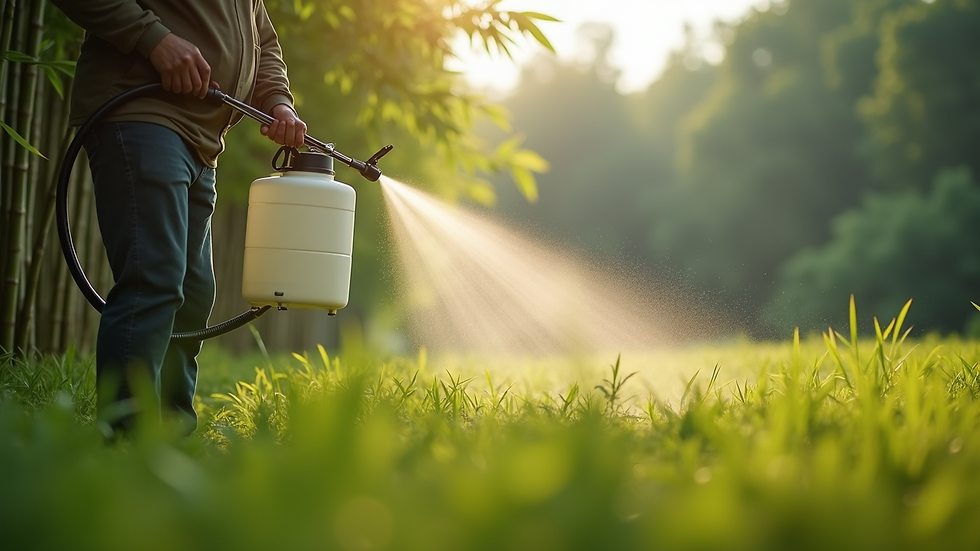
Chemical treatments can help speed up the removal process by killing the bamboo roots. The best root killer for bamboo is a systemic herbicide containing glyphosate or imazapyr. These chemicals are absorbed by the leaves and transported to the roots, killing the entire plant.
To use herbicides effectively:
Apply the herbicide to freshly cut bamboo stalks or new shoots.
Follow the manufacturer's instructions carefully for dilution and application.
Avoid spraying on windy days to prevent drift onto desirable plants.
Repeat applications may be necessary for complete eradication.
Herbicides are a useful tool but should be combined with physical removal for the best results.
Preventing Bamboo Regrowth After Removal
After removing bamboo, preventing regrowth is crucial. Bamboo is persistent and can return if any rhizome fragments remain. Here are some effective prevention tips:
Install a root barrier - A high-density polyethylene barrier buried at least 24 inches deep around the bamboo area can stop rhizomes from spreading.
Regularly inspect the area - Check for new shoots and remove them immediately.
Maintain a thick mulch layer - Mulch can suppress new bamboo shoots by blocking sunlight.
Use landscape fabric - Placing fabric under mulch adds an extra layer of protection.
Consistent monitoring and maintenance will ensure bamboo does not return to your property.
When to Call in Professional Help
Sometimes, bamboo removal is too large or complicated to handle alone. If the bamboo covers a large area or is growing near structures, professional help is advisable. Experts have the equipment and experience to remove bamboo safely and thoroughly.
Professional services often provide a long-term guarantee, giving peace of mind that the bamboo will not return. They can also advise on the best prevention methods tailored to your property.
If you decide to hire a professional, ask about their removal techniques and guarantees. A reputable company will explain their process clearly and offer ongoing support.
Removing bamboo is a challenging task, but with the right approach, it is achievable. By following this effective bamboo removal guide, you can regain control of your garden and prevent invasive bamboo from taking over. Remember to combine physical removal with chemical treatments and prevention strategies for the best outcome. If needed, do not hesitate to seek professional assistance to ensure complete eradication.
For more detailed information and expert help, visit bamboo removal.


Comments